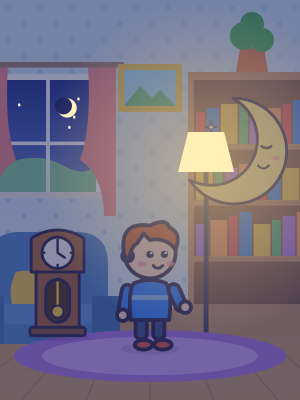
During deep sleep, also called slow-wave sleep, the body releases more growth hormone, and scientists think this nighttime rise helps with growth and with muscle development and tissue repair. Growth hormone is regulated by a system that includes the pituitary gland, and most of its release happens during deep sleep, which is the stage of sleep that is hardest to wake from, while light sleep is easy to wake from.
Babies spend more than half of their time asleep, because a baby's first months are a period of big growth. Older kids still need plenty of rest, since sleep helps kids grow and growing bodies need the rest. As of November 2026, kids 6 to 12 years old need 9 to 12 hours of sleep in every 24 hours, and a school-age child who does not get enough sleep can have trouble paying attention during the day.
The bones are where much of the growing shows up. Inside a growth plate, cartilage cells multiply and grow in length, and then they change into hard, mineralized bone. A long bone grows at each end, next to a growth plate, and most long bones have two of them. Growth plates are the places where children's bones make new bone, so the bones can grow longer, and the plate helps decide the future length and shape of the grown-up bone.
A growth plate is weaker than solid bone, so it is easier to injure, although most growth plate fractures heal without changing how the bone grows later. Growing does not last forever, either, because when a person is fully grown, the growth plates harden into solid bone. After a plate has closed, that bone is no longer growing longer.
The bone itself is a framework of a protein called collagen, made hard by a mineral called calcium phosphate. It is also living tissue, because old bits of bone are removed and replaced with new bone all the time. During childhood, much more bone is put down than is taken away, so the skeleton grows and the bones get denser. Bones also hold calcium and release some into the blood when other parts of the body need it.
Growth is not steady. Nobody grows at a perfectly steady rate, and kids grow in spurts, with faster stretches and slower stretches. Kids tend to grow a bit faster in the spring than in other seasons. From about age 2, kids usually grow about 2 and a half inches (6 centimeters) taller each year, and the growth spurt from baby to toddler adds roughly half of a child's adult height. Some kids feel leg aches at night that they call growing pains, and doctors do not know what causes them.
Growing pains are not worse during growth spurts and are not felt around the growth areas of bones. They may just be aches from jumping, climbing and running. Genes have a large say in how a child grows, and children in a family often grow in similar patterns, yet each child grows at their own pace. Kids cannot change the genes that decide how tall they will be, but healthy eating habits and being active help them make the most of it.
Eating well supports growth, but eating extra food or extra vitamins does not make a child grow taller. Bones need calcium and motion. Calcium is a mineral that helps build strong bones, and vitamin D helps the body take in the calcium it gets from food. As of November 2026, kids 9 to 18 years old need about 1,300 mg of calcium a day, and kids 4 to 8 need 1,000 mg. Bone-strengthening activities include hopping, skipping, jumping and running, and kids should do bone-strengthening and muscle-strengthening activities at least 3 days a week.
To follow growth, doctors measure kids and mark the numbers on a growth chart. Growth charts show where a child's numbers fall compared with other kids of the same age, and percentile lines on the chart show this. Girls and boys have separate charts because they grow in different patterns and at different rates. Healthy children come in all shapes and sizes, and there is no one ideal percentile number, so a chart is a way to follow growth over time and not a grade.
Back to the night shift. While you sleep, the body releases the hormones that kids need for growth and development, and scientists think this nighttime rise helps with growth and tissue repair. Sleep helps kids grow, and growing bodies need the rest. So when you turn out the light tonight, remember that your body still has work to do while you rest.
Words to know
- cartilage: rubbery body material
- collagen: bone framework protein
- percentile: chart position line
- spurts: quick bursts