Food travels from a farm to a store and then to your home. On the way, farmers rotate crops and bring water to their fields, bees visit flowers, and cooling keeps food good.
Crop rotation means growing a series of different crops in the same field over the seasons. It helps break the cycle of pests and disease that builds up when one crop is grown again and again.
Irrigation brings water to crops through pipes, canals or sprinklers instead of relying on rain alone. The water comes from groundwater that is pumped up or from surface water such as streams, rivers and lakes. Drip irrigation puts water right at the plant, which wastes less water than some other methods.
Plants grow in soil, which gives them water, nutrients and support. Soil is a living ecosystem with bacteria, fungi, worms and insects in it. Earthworms live in soil and help break down dead plant material.
Pollen carries a plant's male cells, and pollination helps a plant make seeds. Bees help fruits, nuts and other foods grow by visiting flowers. Bees also make honey from the nectar of flowers, and honey bees store it as food for the winter. Beekeepers get extra honey because bees make more than the colony needs.
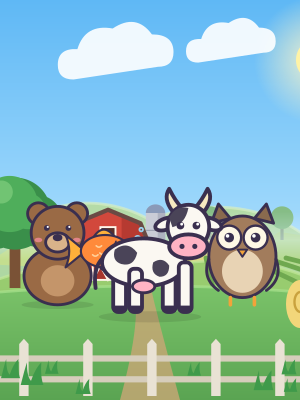
Some farm animals, such as cattle and sheep, eat grass in open fields called pastures. Some crops, such as oats and alfalfa, are grown to feed farm animals.
A dairy farm milks cows to get milk, and some chickens on farms, called layers, lay eggs. Some fish and shellfish are raised on farms, which is called aquaculture.
Cooling fresh produce right after harvest helps it stay good for longer. In the United States, eggs are cleaned and kept cold after hens lay them.
Trucks carry food from farms to markets. The cold chain is a series of refrigerated cooling, storage and transport steps that keeps food at the right temperature from grower to consumer.
Words to know
- rotation: taking turns
- ecosystem: living community
- pollination: seed-making help
- aquaculture: farming fish