A seed is small. Inside it is a tiny baby plant. A coat wraps around the seed.
The coat keeps the baby plant safe. It guards the plant from bumps. It also stops the seed from drying out.
A seed can wait, doing nothing. It waits until the conditions are right. Then it can start to grow.
A dry seed needs water. When it gets wet, it soaks up the water and swells. Now it can start to grow.
A seed needs air with oxygen in it. Soil that is soaked with water can leave a seed with too little oxygen.
A seed needs to be warm enough, too. Most vegetable seeds sprout best in soil that is about 65 to 75 degrees Fahrenheit.
Then the first root comes out of the seed coat. After the root, a shoot grows up. The shoot has the leaves and the stem.
Roots hold a plant in the ground. They take in water. Most plants have roots, stems and leaves.
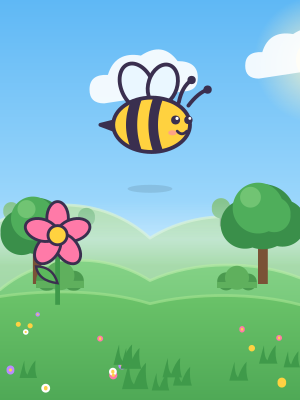
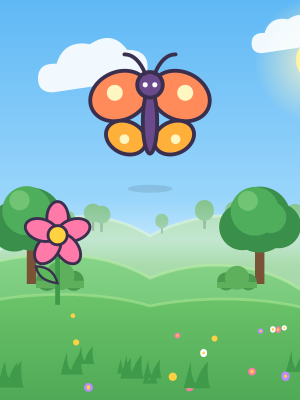
Flowers are how plants make seeds. Bees, butterflies, birds and bats carry pollen from flower to flower.
Some seeds have wings or fluff, like maple and dandelion seeds. The wind can carry them away. Some have hooks that stick to animal fur.
A coconut is a seed that floats. It can drift across the ocean and grow in a new place.
A giant sequoia is one of the biggest trees. It starts as a seed about the size of a grain of oatmeal.
Words to know
- seed: plant starter
- shoot: new top part
- pollen: flower dust
- sequoia: giant tree